Memory Foam Ear Pads: Are They Worth the Extra Cost?
Memory foam ear pads are worth the extra cost when regular foam will not hold a seal or keeps slipping. The foam settles to the shape of your head. Density and thickness decide whether that settle feels like a hug or like a pad that bottoms out. Thin soft foam is a different product.
Are memory foam ear pads worth buying?
They are worth it when you want the pad to settle around your head and hold a seal that regular foam loses. They are not worth it if you only want a cheaper soft pad. Read density and thickness before the word memory.
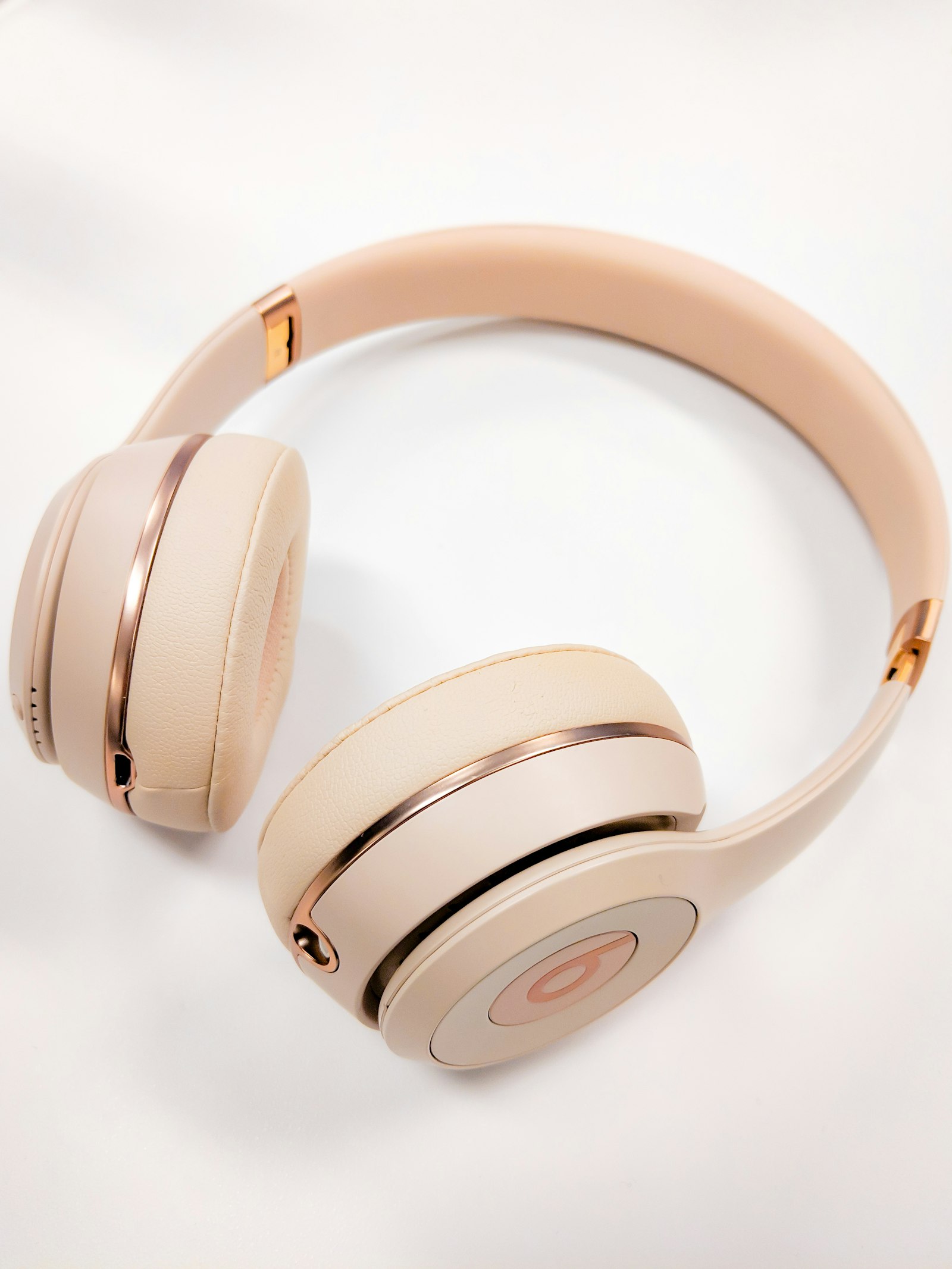
How does memory foam settle to your head?
Memory foam softens with warmth and slowly takes the shape pressed into it. On ear pads that means the cushion closes around the jaw and the side of the head instead of bouncing back at once. The settle is the feature you are paying for. Razer cushions that use this foam still have to match the Razer cup.
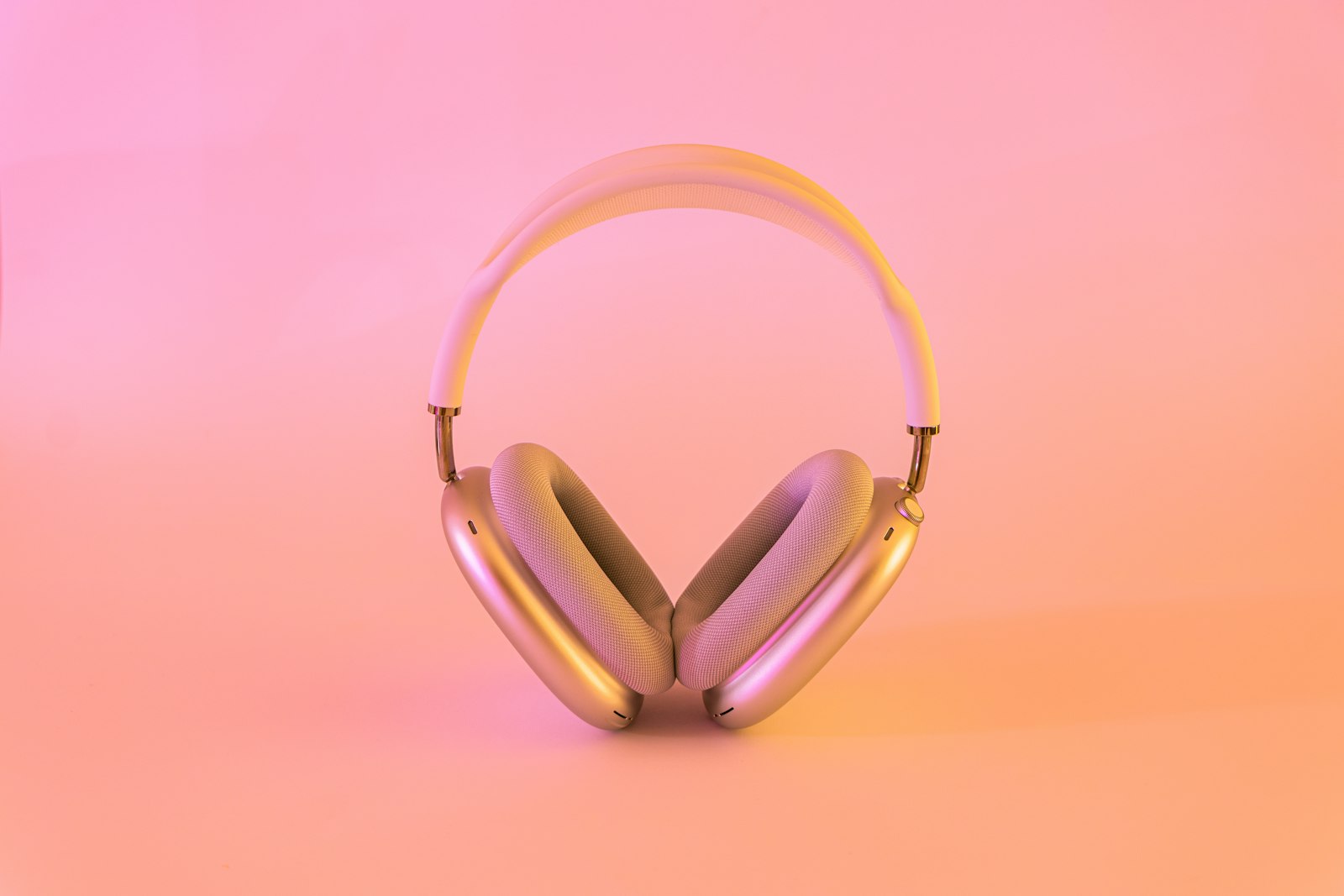
When you buy memory foam ear pads, you are buying that slow close. The way to replace regular foam with memory foam ear pads is with memory foam replacement ear pads. Memory foam ear pads and memory foam replacement pads only help if they are dense memory foam pads, and thick memory foam ear pads need enough depth to close around the ear. The settle is what memory foam ear pads that mold to the shape of your head and memory foam ear pads so the pads hug your ears describe. A slipping fit is the case for memory foam ear pads if the fit keeps slipping. A different cushion is memory foam ear pads instead of regular soft foam, and you swap thin foam for denser memory foam ear pads when the old pad will not stay put.
How is memory foam different from regular foam?
Regular foam springs back as soon as you lift the cup. Memory foam stays in the shape for a moment and then recovers. If the pad you have is thin and quick to rebound, a memory foam pair is a real change, not a new color of the same cushion.

You replace regular foam with memory foam ear pads when that rebound is the problem. A new label is not enough on memory foam replacement ear pads and compatible memory foam replacement pads. Memory foam ear pads, sold as memory foam replacement pads, need to be dense memory foam pads, and thick memory foam ear pads should be thicker than the quick pad you have. The comparison that matters is memory foam ear pads instead of regular soft foam, and thick memory foam pads vs thin regular foam. When the old pad collapses, swap thin foam for denser memory foam ear pads, and look for thick memory foam replacement pads denser than stock foam. The change in behavior is memory foam ear pads that mold to the shape of your head.
Why does density matter more than the label?
Low-density foam labeled memory still collapses. High-density memory foam keeps a thicker seal after it settles. If the listing does not say dense or high-density, you cannot tell the pad from ordinary soft foam.

The ones to buy when you buy memory foam ear pads are dense memory foam ear pads, and compatible memory foam ear pads should name that density. Read the fill, because dense memory foam pads are not the same as any memory foam ear pads or memory foam replacement pads, and thick memory foam ear pads still fail if the fill is weak. The spec to read is high-density memory foam ear pads for a tighter seal and thick memory foam replacement pads denser than stock foam. That fill is what dense memory foam ear pads for long sessions at home need, and compatible memory foam pads in the thickness and density you need are a better ask than a vague memory label. When the old pad collapses, swap thin foam for denser memory foam ear pads.
Why do thickness and density have to match?
A thick pad with weak foam still bottoms out. A dense pad that is too thin never clears your ear. Ask for both: the thickness you measured and a denser fill than the stock foam that failed.
Thick memory foam ear pads are worth it when you buy thick memory foam ear pads that are also dense memory foam ear pads. Thick memory foam ear pads and dense memory foam pads have to be specified together, whether the listing says memory foam ear pads or memory foam replacement pads. A real change, only when both depth and fill change, is thick memory foam pads vs thin regular foam. The pair to ask for is compatible memory foam pads in the thickness and density you need, and thick memory foam replacement pads denser than stock foam. A slipping fit still needs that match with memory foam ear pads if the fit keeps slipping, and dense memory foam ear pads for long sessions at home should not be a thin soft slab.
When does memory foam earn a tighter seal?
It earns the seal when the old pad slips or leaks because it will not conform. A denser memory foam pad hugs the head and closes the gap. It does not fix a mount that is the wrong shape. ASUS gaming pads are a typical case: the foam can close a leak only after the listing names that headset.
A gap can close with compatible memory foam ear pads and memory foam replacement ear pads, including compatible memory foam replacement pads. Memory foam ear pads work here when they are dense memory foam pads. Memory foam replacement pads and thick memory foam ear pads still have to match the cup. The seal case is high-density memory foam ear pads for a tighter seal, memory foam ear pads so the pads hug your ears, and memory foam ear pads if the fit keeps slipping. That job, only when the mount already fits, is what dense memory foam ear pads for long sessions at home and memory foam ear pads that mold to the shape of your head do.
Long sessions are where the settle earns its place. SteelSeries, HyperX, and Corsair gaming cushions often use a slow foam under a coated cover. A memory pad for one of those headsets is a different mount from the others. Density and the cup still come first.
Which pair should you buy?
Buy dense memory foam in the thickness you measured when regular foam slips or will not seal. Skip the upcharge if the pad is only soft foam with a memory label and no density you can check.
A product link is published only after fit and catalog are confirmed.
Sponsors
FAQ
Are memory foam ear pads worth the extra cost?
They are worth it when you need the pad to settle to your head and hold a seal. They are not worth it if density and thickness are the same as the foam you already have.
How is memory foam different from regular ear pad foam?
Memory foam softens and holds the shape of your head for a moment. Regular foam springs back immediately.
Does the word memory guarantee a better pad?
No. Density and thickness decide whether it seals or collapses. A thin soft pad can still be labeled memory foam.
Will memory foam ear pads stop the headphones slipping?
They can, if the slip comes from foam that will not conform. They will not fix a mount that does not match the cup.
What should I check before buying memory foam pads?
Check density, thickness, and the mounting style. Those three decide the fit more than the memory label.
Are thicker memory foam pads always better?
Only if the foam is dense enough not to bottom out. Thick and weak still collapses, and a much thicker pad also moves the driver farther from your ear.